
Welcome to the PMO Strategies Podcast + Blog, where PMO leaders become IMPACT Drivers!
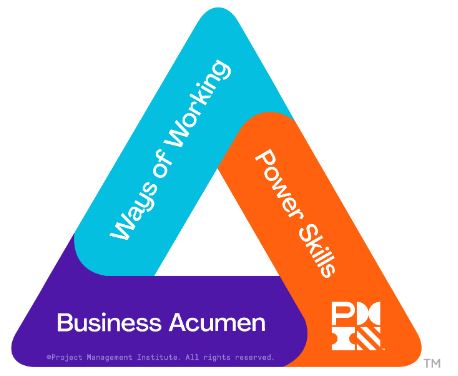
PMI Talent Triangle: Business Acumen
Every project professional talks about delivering value, but few can explain what that really means. Organizations chase metrics, produce reports, and celebrate deliverables, yet still struggle to prove that the work created meaningful change.
Value has become one of the most overused words in project management, but also one of the least understood. It’s not a single number, dashboard, or template—it’s a reflection of purpose. When teams lose sight of why the work matters, they risk doing more activity without creating more IMPACT.
In this episode of the PMO Strategies Podcast, I’m joined by Trevor Nelson, Senior Advisor to PMI’s Project Success Insight Team. Trevor shares why value isn’t in the thing you deliver but in the intent behind it, and how PMOs can become the guardians of that intent from the earliest idea to the final outcome.
Understanding where value really lives
At its core, value isn’t about the thing you deliver. It’s about the intent behind why it was created in the first place. That sounds simple enough, but it’s one of the hardest ideas for organizations to act on. Many project teams are still measuring success by outputs, timelines, and budget rather than by outcomes that reflect the original purpose.
But here’s the big question: if value is tied to intent, what’s keeping organizations from staying connected to it throughout the entire project lifecycle?
Let’s break it down:
#1. Misaligned success measures: When different stakeholders define success differently, “value” starts to fracture before delivery even begins.
#2. Late PMO involvement: Too often, the PMO is brought in after direction has been set, making it harder to influence how intent translates into outcomes.
#3. Output obsession: Teams equate activity with achievement, focusing on deliverables instead of the results those deliverables are meant to create.
#4. Lost feedback loops: Without reflection and measurement after delivery, lessons disappear and the intent that started the work never closes the loop.
Now, don’t get me wrong. These challenges aren’t permanent. With the right approach, the PMO can reconnect the organization to its purpose, keep intent visible, and turn that clarity into measurable business value.
Value isn’t what it used to be
Remember when value in project management was all about finishing on time, staying on budget, and checking off deliverables? Those measures still matter, but they no longer tell the whole story.
Today’s organizations are moving faster, operating with greater complexity, and facing constant change. A successful project on paper can still miss the mark if it doesn’t deliver what the business truly intended.
That’s why defining and measuring value has become so much harder. It’s not enough to meet expectations; leaders now have to prove that every initiative connects back to a clear strategic purpose.
Now, you might be thinking, “Okay, I get it. The definition of value is shifting. But what does that mean for my PMO?”
These shifts have a few big implications:
Value isn’t universal.
What looks valuable to one stakeholder can feel irrelevant to another. Without shared intent, alignment fractures early.
Metrics alone don’t tell the story.
Dashboards and reports show activity, not always results. The real question is whether outcomes match intent.
PMOs can’t wait until the end to measure IMPACT.
Value has to be tracked and reinforced throughout the process, not discovered after delivery.
Intent is the new currency of trust.
When PMOs keep the organization connected to the “why,” they earn credibility and long-term partnership.
So if this is how value has changed, the real question becomes: how can PMOs adapt to lead in this new environment?
Key strategies to deliver value with intent
Now that we’ve explored how easily organizations lose sight of what value really means, let’s focus on how PMOs can bring that intent back to the center of strategy and delivery.
Here are some key strategies that help turn value from a concept into a consistent practice:
-
- Start with shared intent
Before a project begins, make sure everyone understands why it exists. Align leaders, teams, and sponsors around the same definition of success so you’re not chasing multiple interpretations of value. When the PMO leads this alignment early, it builds trust and creates a clear north star for delivery. - Stay connected through the lifecycle
Value isn’t achieved at the end. It’s protected at every step. The PMO should stay engaged from idea through adoption, ensuring that execution decisions reflect the original purpose. Regular checkpoints, outcome reviews, and stakeholder touchpoints help keep intent visible and measurable. - Measure outcomes, not just outputs
Dashboards and status reports show progress, but they don’t always reveal whether the work made a difference. Redefine your metrics to track outcomes that tie directly to business goals. When leaders see how your PMO measures IMPACT beyond delivery, they begin to view it as a strategic partner. -
Close the loop after delivery
Once the project is complete, take time to review whether the intended value was realized. Did the change create the outcome that was promised? If not, what needs to shift next time? Treat every project as part of a larger value continuum so lessons translate into better alignment for the future.
- Start with shared intent
To make these strategies stick, PMOs must position themselves as the bridge between business intent and delivery execution. When that bridge stays strong, value isn’t something you chase at the end—it’s something you deliver by design.
The role of the PMO in protecting intent
Let’s address the real challenge many organizations face. If your PMO is still seen as a reporting center or a compliance checkpoint, you’re likely missing the bigger picture. Templates, dashboards, and process-heavy routines might help track progress, but they rarely capture whether the work is actually delivering on intent.
When the PMO operates in isolation or measures success only by completion, it unintentionally creates silos that separate delivery from purpose. Those gaps can turn value into a numbers exercise instead of a business outcome. Traditional oversight models simply can’t keep pace with the strategic alignment today’s organizations require.
This is where a value-driven PMO makes the difference. By positioning itself as the steward of intent, the PMO connects strategy to execution and ensures that every decision, milestone, and metric reinforces the original purpose behind the work. It becomes the organizational guide that helps leaders see beyond outputs and focus on measurable outcomes that matter.
👉 Click play above to learn how your PMO can redefine value, strengthen alignment, and become the trusted engine that turns intent into IMPACT.
 Connect with Trevor:
Follow him on LinkedIn
Visit NelsonProject.com
PS. The IMPACT Engine System™ is the only program of its kind that shows you how to build, run, and elevate your strategy delivery organization. If you are building or running a PMO, SDO, Agile or Business Transformation Office, your career depends on making an IMPACT. This program will help you drive measurable value for the business, making it easy to get your executives on board. Learn more today!
 Hey there, IMPACT Driver!
Thanks for taking the time to check out our podcast and blog.
I welcome your feedback and insights!
I’d love to know what you think and if you love it, please leave a rating and review in your favorite podcast player.
You can also complete this survey to tell us more about you and get my advice on how to take your next steps toward high-IMPACT!
Warmly,
Laura Barnard