
Welcome to the PMO Strategies Podcast + Blog, where PMO leaders become IMPACT Drivers!
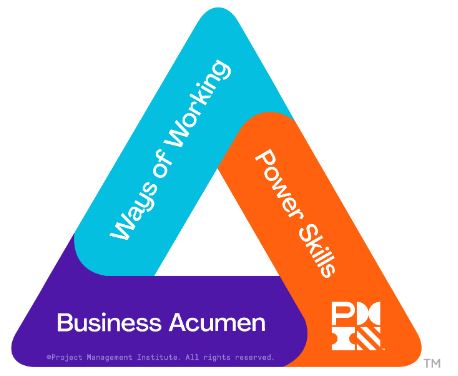
PMI Talent Triangle: Ways of Working
What happens when control becomes the obstacle instead of the goal? Many PMO leaders are still chasing the dream of “perfect process,” only to find that their organization has moved on without them. The work gets done, the reports look right, but the real business IMPACT is nowhere to be found.
The issue isn’t a lack of discipline. It is that many PMOs are still built to control, not to adapt. In a landscape that moves at digital speed, control is a bottleneck. What matters now is how quickly you can translate strategy into action and insight into value.
The Shift from Control to Contribution
The modern PMO stands out because it shifts the focus from enforcing compliance to enabling outcomes. It replaces command with collaboration. In this episode of the PMO Strategies Podcast, I have an incredible conversation with Youssef Mouzahem, Senior Associate Director of Commercial and Contracts at Jacobs.
We discuss how PMO leaders can evolve from process enforcers to strategic business partners by using adaptive governance, predictive analytics, and value based KPIs.
Why Evolving the PMO Model is Essential Today
Understanding how to evolve is critical for any organization that wants to stay relevant. PMO maturity is directly connected to an organization’s ability to deliver faster and build executive trust.
Evolving the PMO is not just about refining processes or introducing new tools. It is a strategic transformation that determines how effectively your organization can compete. Modern PMOs increase delivery performance through agility, strengthen executive confidence through transparency, and prove ROI through data– driven decision making.
Common Mistakes in PMO Transformation
What keeps leaders from achieving real transformation? It is often more than just a tool gap.
- Relying on Tools Before Fixing Process: Many PMOs rush to implement software believing technology will fix the problem. Tools only help when built on strong foundations of process clarity and stakeholder engagement.
- Treating Agility and Governance as Opposites: Some still believe being agile means losing control. The truth is that adaptive governance creates balance, allowing leaders to adjust oversight based on project complexity.
- Measuring Activity Instead of Outcomes: Equating success with the number of reports generated is a trap. Modern PMOs focus on outcome based metrics like time to value and benefit realization.
Practical Ways to Apply PMO Evolution
Transformation happens through small, deliberate actions:
✅ Implement Adaptive Governance: Scale oversight based on project size and risk.
✅ Use Data to Drive Decisions: Focus on metrics that connect directly to business performance.
✅ Align to Strategy: Ensure every project in the portfolio connects to a measurable organizational objective.
✅ Evolve Your Mindset: Shift from a manager who enforces to an enabler who empowers.
Press ▶️ play above to hear the full story and discover how to lead with agility and trust.
 Connect with Youssef Mouzahem:
Connect on LinkedIn
Learn More About Jacobs
P.S. The IMPACT Engine System helps leadership teams shift from reactive oversight to outcome ownership with the strategic alignment and clarity they need. Learn more and get started today!
 Hey there, IMPACT Driver!
Thanks for taking the time to check out our podcast and blog.
I welcome your feedback and insights!
I’d love to know what you think and if you love it, please leave a rating and review in your favorite podcast player.
You can also complete this survey to tell us more about you and get my advice on how to take your next steps toward high-IMPACT!
Warmly,
Laura Barnard