
Welcome to the PMO Strategies Podcast + Blog, where PMO leaders become IMPACT Drivers!
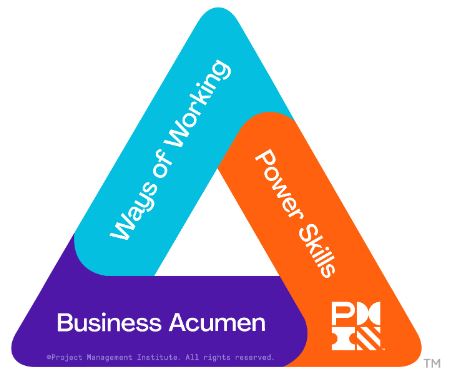
PMI Talent Triangle: Business Acumen
The PMO’s role in strategic planning starts before execution
PMO leaders are told to “execute the strategy” all the time. The problem is that many organizations don’t have a strategy that the business can actually deliver. What they have is a list of initiatives and competing priorities that gets labeled as a strategic plan.
When that happens, execution turns into noise. Departments push say work is urgent, teams get overloaded, and the PMO gets stuck trying to coordinate work that was never designed to fit together.
This episode is about the role PMOs can play at the front end of the strategy lifecycle. Not by creating the strategy for executives.. By facilitating the conversations and planning steps that help leadership define direction clearly, then translate that direction into work that can be delivered.
Strategy is a plan, and PMOs are planning experts
At its core, strategy is a plan for how an organization intends to achieve its goals. Those goals might be revenue, growth, market position, or a transformation outcome. The plan is the bridge between where the organization is today and where leadership wants it to be in the future.
PMOs already live inside planning. We help leaders prioritize initiatives. We think through dependencies. We sequence work over time. We understand how complex work actually moves through the organization.
That’s why PMOs are positioned to support strategic planning. To steer the direction by turning goals into a plan with focus, sequencing, and realistic constraints.
The uncomfortable truth: many “strategic plans” are just project lists
A lot of organizations call a list of projects a strategic plan. You’ve seen it: twenty initiatives labeled as “top priorities,” each owned by a different executive, all competing for the same people, money, and attention.
When everything is a priority, nothing is a priority. The organization spreads itself thin and ends up delivering slower, with lower quality, and more friction.
From a PMO perspective, the signs show up fast:
- Projects start before prior work is finished.
- Teams keep shifting focus.
- Leaders ask for status because they can’t see what’s moving forward.
- People spend more time in meetings talking about work than doing it.
In those moments, the issue often isn’t execution discipline. The issue is that the strategy was never defined with enough clarity to create focus.
Why the PMO can facilitate strategic planning better than most teams
PMO leaders sit at a unique intersection inside the organization. You can see what finance is working on, what technology is doing, what operations is changing, and what transformation programs are underway. Most leaders see the slice inside their function. The PMO sees the system.
That system view matters during strategic planning because strategy decisions collide in the real world. Initiatives share the same resources. Dependencies cross department lines. Bottlenecks show up in predictable places.
PMOs also bring facilitation skills that strategic planning requires. Structuring conversations, running workshops, building visual representations of work, and guiding groups through prioritization are PMO strengths. Without structure, strategic planning sessions often drift into opinions and politics instead of decisions.
The strategy lifecycle: definition, translation, execution, realization
Inside the IMPACT Engine System, I teach strategy as a lifecycle. Strategy is not a one-time event. It unfolds through stages.
Strategy definition is where leadership clarifies direction and answers the big questions:
- What outcomes are we trying to achieve?
- What problems are we trying to solve?
- What will success look like in three years?
This stage is not about creating a list of projects. It’s about defining the future state the organization wants to reach.
Between definition and execution sits a critical step that many organizations skip: strategy translation. Translation is where direction turns into the work required to deliver it. Leaders move from outcomes to initiatives, sequencing, dependencies, and what has to happen first.
Translation is a planning exercise, and planning complex work across the organization is what PMOs are built to do.
What facilitation looks like in real strategic planning sessions
When the PMO facilitates strategic planning, it often starts by bringing leaders together in structured sessions. Instead of jumping straight into project lists, the conversation starts with outcomes.
Once outcomes are clear, the discussion shifts to priorities. It is important to ask, “Which areas of the business need to change to reach those outcomes?” Only then do initiatives begin to emerge: programs, projects, and transformation efforts.
The difference is what happens next. Instead of approving everything, the PMO helps leaders visualize the work. You might map initiatives across a timeline, identify dependencies, and compare the volume of work to resource capacity.
That’s where many executives have a moment of realization. When the work is visible, the conversation changes. Leaders stop asking, “What else should we add?” and start asking, “What should we focus on?”
That shift matters because strategic planning is not only choosing what to do. It’s choosing what not to do.
What to do when leadership still can’t articulate the strategy
Sometimes leadership has a general sense of direction, but they struggle to turn it into clear priorities. When that happens, the PMO can help by asking better questions that pull leaders out of day-to-day operations and back into outcomes.
Here are the questions I recommend:
- What outcomes matter most over the next three years?
- What problems are preventing us from achieving those outcomes today?
- If we succeed, what will look different for customers?
- If we succeed, what will look different for employees?
- Which initiatives move us closer to those outcomes?
- Which initiatives are distractions?
The goal is not to corner leaders. The goal is to create clarity, focus, and an execution path the organization can actually deliver.
Closing reflection
The PMO cannot create the organizational strategy. That responsibility belongs to executive leadership. The PMO can play a critical role in helping leadership define strategy clearly, visualize priorities, and translate direction into initiatives the organization can deliver.
When that happens, strategy stops being a slide deck. It becomes a clear set of priorities that guide the work across the organization. And clarity makes execution easier.
Press play above to hear how PMO leaders can support strategic planning by driving clarity, priorities, and translation into executable work.
P.S. Celebrate and Elevate the PMO with International PMO Day. This special training event shows PMO leaders how to secure their seat at the table, solve real PMO challenges, and position their PMO to drive measurable business value. Learn more about IPMO day here!