
PMI Talent Triangle: Ways of Working
The profession has changed. The work underneath it has not.
PMO and transformation leaders are operating in a moment of extraordinary technological change. AI is appearing inside planning tools, reporting systems, collaboration platforms, and decision workflows. New certifications and learning paths arrive constantly. The pressure to keep up is real.
But a better tool cannot rescue a plan the team never built together. It cannot create clear ownership where nobody has agreed who owns what. It cannot manage a risk that sits untouched in a register. It cannot turn an output into a business outcome simply because the dashboard is more sophisticated.
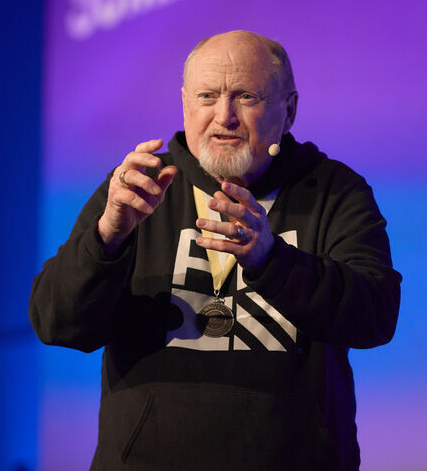
That was the strongest thread running through my recent conversation with Lee Lambert, a project management pioneer, PMP, PMI Fellow, and one of five people invited in 1981 to help create and implement the PMP certification program. Lee has watched the profession evolve across more than 50 years. He has seen the tools get faster, the standards get more established, and the profession become more visible.
He has also watched organizations repeat many of the same mistakes.
More technology can expose an old capability gap
Lee’s point was not that technology is bad. He uses AI himself and sees the value it can create. His warning is that technology amplifies whatever sits underneath it. When the planning is strong, the logic is sound, the people understand the work, and the team knows the outcome it is trying to create, technology can improve speed and access to information.
When those foundations are weak, technology can make weak information move faster.
That distinction matters for PMO leaders because the pressure to modernize can easily turn into a tool-first conversation. Leaders ask which platform to buy, which AI feature to activate, or which workflow to automate. Those may be valid questions, but they are rarely the first question.
The first question is whether the organization understands the work well enough to automate it responsibly.
A PMO that has unclear decision rights, weak dependency management, inconsistent planning, and passive risk practices does not become more strategic when those practices move into a new system. It becomes a faster version of the same operating model.
Planning is a leadership practice, not a software output
One of Lee’s strongest concerns is that disciplined planning has become less visible. He described the way teams once built schedules together, using a wall, a room full of people, and hard conversations about what had to happen before something else could begin.
The value was not the paper on the wall. The value was the shared thinking.
The team had to define the work, sequence it, debate the dependencies, identify what was truly critical, and agree on the logic. The schedule became useful because the people responsible for the work had built an understanding together.
A modern planning tool can make that process easier. It can calculate faster, model scenarios, update dependencies, and surface potential problems. What it cannot do is replace the conversation that creates shared understanding.
This is where many PMOs get trapped. They produce schedules, but the schedules are not trusted. They maintain plans, but the teams do not use them to make decisions. They report variance, but the organization cannot see what the variance means for the outcome.
The visible artifact exists. The leadership practice underneath it does not.
A risk register is not risk management
Lee made the same distinction about risk. A team can have a long risk register and still be managing risk poorly. Recording a potential problem does not reduce its likelihood, protect the outcome, or give a leader time to act.
Risk management means using what you know early enough to change what happens next.
For PMO and transformation leaders, that requires a shift from documentation to decision support. The value of the risk process is not the number of items captured. The value is whether leaders can see what matters, understand the consequence, and make a decision before the risk becomes an expensive issue.
The same principle applies to every PMO process. A template is not the outcome. A meeting is not the outcome. A dashboard is not the outcome. The process only matters if it improves the quality and speed of the decisions that shape business results.
Credentials are a starting point, not applied capability
Lee helped build one of the most recognized credentials in the profession. That gives his warning about credentials additional weight.
Education matters. Standards matter. Certifications can create a valuable baseline. But passing an exam does not automatically teach someone how to navigate a resistant executive, resolve a real dependency conflict, build a credible schedule with a team, or recognize when the technically correct answer will fail the people expected to use it.
Applied capability develops through practice, feedback, mentoring, reflection, and exposure to people who have already made the mistakes you are trying to avoid.
That is why Lee’s advice to develop people skills and find a mentor belongs in the same conversation as work breakdown structures and critical paths. Project management does not happen to people. It happens with people. A technically elegant plan that the team does not understand or trust will not create the outcome you need.
The output can be right while the outcome is wrong
Lee shared a story from a medical diagnostic product project that brought this distinction into sharp focus. The team delivered the product quickly and met the technical requirements they were working toward. By a traditional project lens, the delivery looked successful.
But the people who would use the product and the outcome it was meant to support had not been considered deeply enough. The product later required a recall because the readings could be inaccurate.
The lesson is not that schedules and technical requirements do not matter. They matter enormously. The lesson is that they are means to an end.
The real definition of success must include what happens after the deliverable is produced. Does the solution work for the people using it? Does it create the intended business or mission outcome? Does it reduce the risk, improve the decision, increase the value, or enable the strategic result the organization expected?
When PMO leaders stop at delivery, they leave the most important part of success to chance.
What PMO leaders should protect as the profession evolves
The future of project management will require new tools, new practices, and new ways of working. Refusing to change is not the answer. Lee’s message is to make sure the profession does not discard the capabilities that allow those new tools to create value.
Three leadership moves stand out.
First, rebuild the planning conversation. Before asking for a more detailed schedule, make sure the people responsible for the work understand the work, the dependencies, the decisions, and the outcome together.
Second, develop applied capability. Pair training with practice. Create mentoring relationships. Review real decisions and real plans. Teach people how to think, not only which fields to complete.
Third, define success beyond delivery. Connect the scope, schedule, risk, and process to the business outcome. Ask what must be true after the project is complete for the investment to have been worth it.
AI can strengthen all three moves. It can help organize thinking, analyze information, identify patterns, and accelerate routine work. But it must be used by leaders who know what good looks like, can challenge the answer, and remain accountable for the consequence.
The future needs leaders who know what not to automate away
The profession does not need to choose between the fundamentals and the future. It needs leaders who can carry the fundamentals into the future.
That means using new technology without confusing speed with quality. It means maintaining planning discipline without turning process into bureaucracy. It means building technical capability while recognizing that people, judgment, and trust remain the operating system beneath every project.
After more than 50 years, Lee’s message is clear: the tools will continue to change. The responsibility to think, plan, lead, and deliver outcomes will not.
Press play above to listen to the full episode and hear Lee Lambert’s candid perspective on what the profession has gained, what it may have lost, and what PMO and transformation leaders should do next.
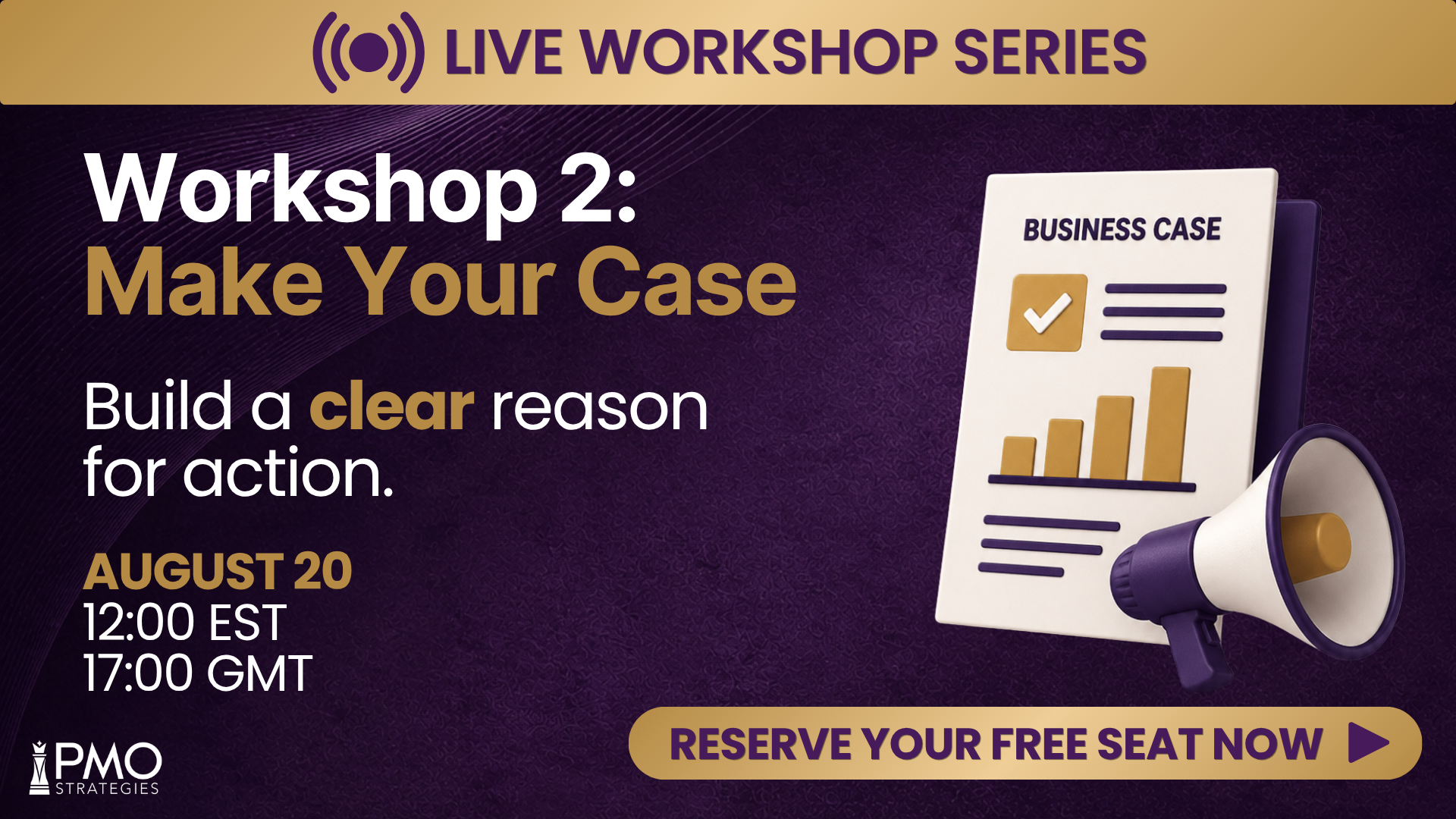
P.S. Make Your Case
On August 20, the IMPACT Application Lab: Make Your Case will help you turn one real strategy delivery challenge into a clear, leadership-ready Case for Change. The live workshop is free for owners of The IMPACT Engine. Your book is your ticket.