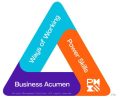
PMI Talent Triangle: Power Skills
The Credibility Problem Most PMO Leaders Are Not Told About
One of the hardest parts of leading a PMO has nothing to do with project management.
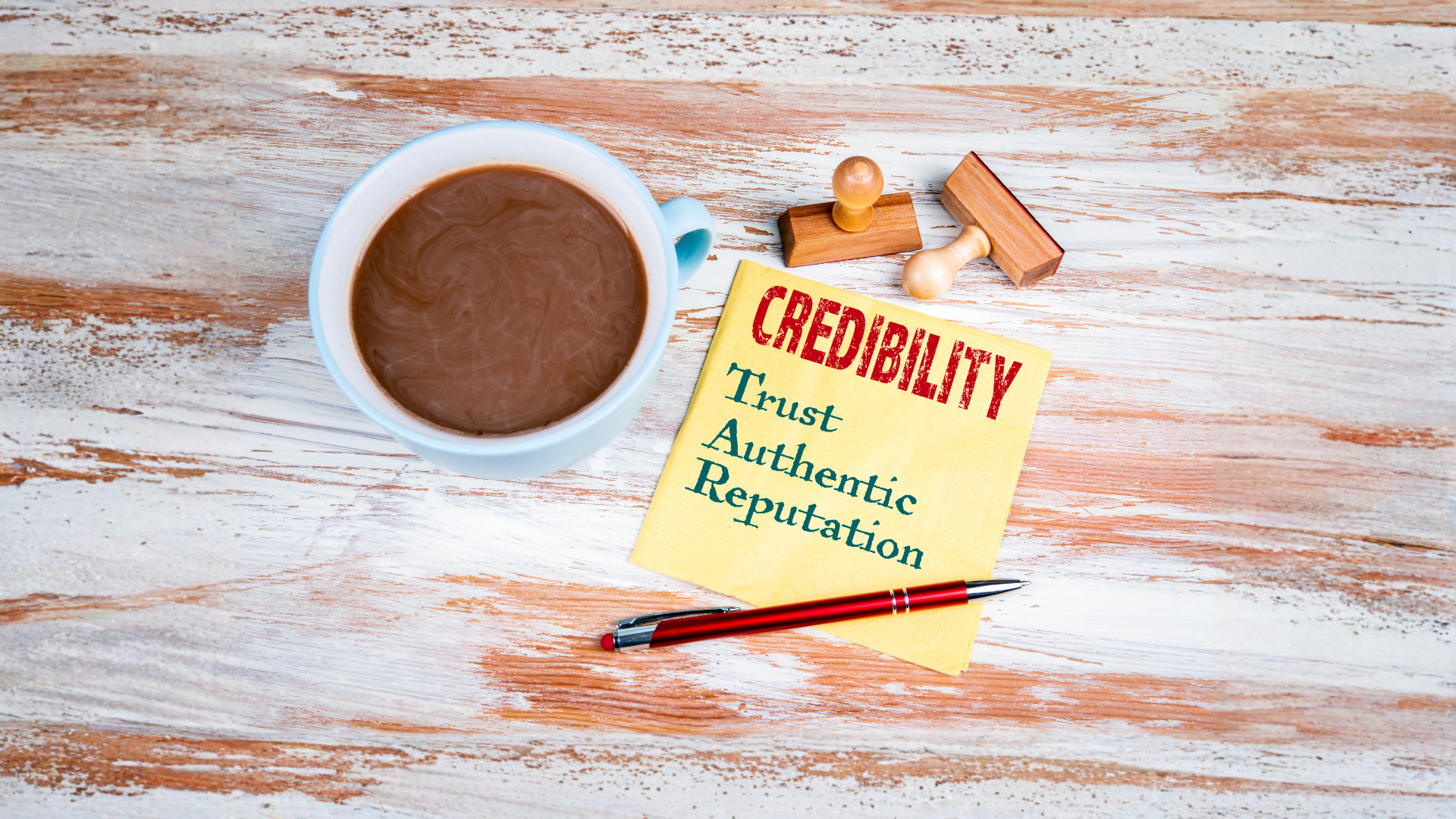
It is credibility.
You can have the right framework, the right tools, the right templates, and the right intentions. But if the organization does not trust the PMO yet, every process you introduce can feel more overhead. Every meeting can feel like another demand for people’s time. Every report can feel like bureaucracy instead of value.
That is the credibility deficit many PMOs face from the beginning.
Teams are skeptical because they have seen PMOs create more work without making delivery easier. Executives are cautious because they want to know whether the PMO will help the organization achieve its business goals or simply become another cost center. And PMO leaders are often stuck trying to prove value while also building the capability needed to deliver it.
In Episode 364 of the PMO Strategies Podcast, I walk through how PMO leaders can build credibility in a way that sticks. The answer is not more control. The answer is value.
Why PMOs Start with Negative Credibility
Most PMOs do not start from neutral.
They start from skepticism.
When a PMO is introduced, teams often assume more reporting, more governance, more templates, and more meetings are coming. Executives may support the PMO publicly, but they are still waiting to see whether the investment will produce a return.
That means the PMO is being judged before it has even had the chance to prove itself.
Many PMO leaders try to solve that problem by creating more structure. They launch governance models, templates, reporting requirements, and processes because they believe structure will create credibility.
But credibility does not come from the structure alone.
Credibility comes from value.
The PMO earns trust when it helps the organization solve real problems, make better decisions, accelerate strategy delivery, and produce measurable business outcomes.
Step 1: Solve a Problem Leadership Already Feels
The fastest way to build credibility is not to introduce a new framework.
It is to solve problem executives already care about.
Executives are not usually thinking about governance models. They are thinking about why strategic initiatives are moving too slowly, why teams are competing for the same resources, why projects keep launching without finishing, and why everything is taking longer and costing more than expected.
That is where the PMO can build credibility quickly.
In the episode, I share an example of an organization that believed it had a delivery problem. But when we looked more closely at the portfolio, the real issue was prioritization. The organization had more than 300 initiatives underway at one time, and everything was being treated as important.
The PMO had been trying to fix execution with more methodology, more templates, and more process. But the actual bottleneck was happening earlier in the strategy lifecycle. The organization had not made clear choices about what mattered most.
Once the PMO helped leadership connect the work to business goals, identify the initiatives that truly advanced strategy, and make difficult decisions about what to pause, the organization suddenly had more capacity. Critical resources could focus. Strategic initiatives started moving faster.
That is credibility.
Not because the PMO created a perfect process, but because the PMO helped solve a real business problem.
Step 2: Deliver Visible Early Wins
The second credibility move is speed.
Many PMOs spend months building the perfect operating model before the organization sees any meaningful improvement. They design governance structures, create SOPs, build reporting frameworks, and configure tools. Some of that work may be necessary, but if leadership does not see progress quickly, skepticism grows.
A successful PMO creates visible progress early.
That means finding a problem that matters right now and helping solve it fast. It may be a stalled initiative. It may be an unclear decision path. It may be a resource bottleneck. It may be a major risk that no one has owned.
In the episode, I share the example of a PMO helping rescue a major initiative that had missed multiple deadlines. The PMO clarified ownership, established a decision of cadence, escalated blockers faster, and helped the team get the initiative back on track within two months.
That early win changed how executives saw the PMO.
They started asking for help on other initiatives, not because they were required to, but because they had seen the value firsthand.
That is the point. The process still matters, but it should support the problem being solved. Lead the problem. Apply only the process needed to create progress. Then use that visible win to build momentum.
Step 3: Make the Value Visible
One of the biggest mistakes PMO leaders make is creating value without communicating it.
The PMO may be helping projects move faster. Teams may collaborate better. Executives may be making decisions sooner. Risks may be getting resolved before they become crises.
But if the PMO reports only on activities, leadership may still see it as administrative.
That is why the shift from outputs to outcomes matters so much.
Outputs are the activities: meetings held, reports created, templates completed, processes followed, and projects tracked.
Outcomes are the results those activities create: strategic initiatives progressed, decisions accelerated, risks mitigated, blockers removed, capacity improved, and business goals advanced.
When PMOs report only outputs, executives see busy work.
When PMOs communicate outcomes, executives see business value.
This can change perception quickly. In some cases, the work itself does not need to change immediately. What changes is how the PMO connects that work to the business result executives care about.
The PMO does not get credibility for being busy. It gets credibility for making strategy delivery more predictable, more visible, and more valuable.
Step 4: Build Trust Through Consistency
One win matters.
Consistent wins create credibility.
Trust builds when every interaction with the PMO produces progress. Meetings lead to decisions. Issues resolved. Blockers are removed. Initiatives move forward. Leaders begin to see that when the PMO is involved, things get clearer and momentum improves.
That consistency becomes a track record.
And that track record is what causes executives to start relying on the PMO for more complex, more strategic work.
Credibility does not come from saying, “Trust me, I have got this.”
Credibility comes from doing what you said you would do, again and again, until leadership no longer has to wonder whether the PMO can help. They already know.
Step 5: Expand Influence as Credibility Grows
Once credibility grows, the PMO’s role begins to change.
First, the PMO may be asked to help initiatives succeed. But as trust builds, leaders start bringing the PMO into strategic conversations earlier.
They begin asking questions like:
Which initiatives should we prioritize?
What delivery risks should we anticipate?
Do we have the capacity to pursue this strategy?
Is this even doable?
That is when the PMO moves from delivery support to strategy delivery leadership.
In the IMPACT Engine System, we describe this as becoming the strategy navigator. The PMO is not always driving from behind the wheel, but it is helping guide the organization from strategy definition to execution to realization.
That is the role the PMO was meant to play.
The PMO Was Never Meant to Be Just a Reporting Function
Credibility is not a soft goal.
It is the foundation that determines whether the PMO gets access to the conversations, decisions, resources, and influence required to do the work it was created to do.
Credibility comes from solving real problems. Delivering early wins. Making value visible. Showing up consistently. And using growing influence to help the organization turn strategy into results.
When PMO leaders follow that path, the PMO becomes more than a reporting function, an administrative layer, or a place to house project managers.
It becomes the engine that helps the organization accelerate strategy delivery and achieve measurable business outcomes.
That is exactly the role the PMO was always meant to play.
Press play above to listen to the full episode and learn the five steps PMO leaders can use to build credibility that lasts.
P.S. Want my help applying what I teach in The IMPACT Engine?
This summer, I’m hosting The IMPACT Application Lab inside the IMPACT Insiders Book Club, our free group for everyone who owns The IMPACT Engine.
We’ll work through three live sessions: Map the Mess, Make Your Case, and Build Your Plan, so you can take one real strategy delivery challenge and start turning the concepts from the book into movement inside your PMO, portfolio, or strategy delivery work.
Your book is your ticket to join for free.